
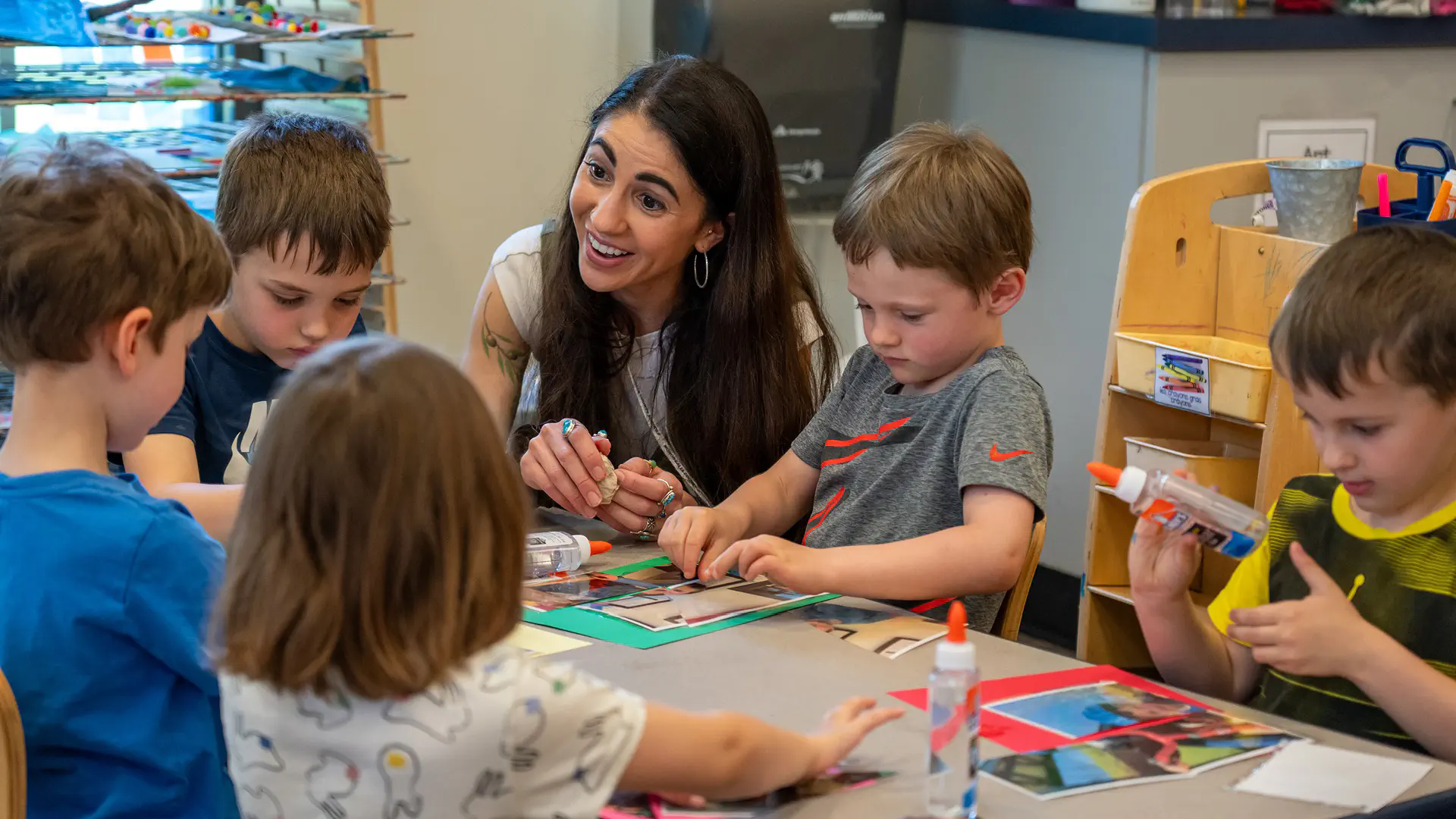
Child Development and Family Studies, BS
Grounded in theory, research, and real-world experience, this program helps you connect course material to work in settings that support families, children, and youth. You’ll gain the skills to identify needs, create solutions, and apply evidence-based approaches that promote healthy development and strong family connections.
Your coursework and field experiences will help you understand the complex issues facing children and families today, from early childhood intervention and youth development to family dynamics and social influences. You’ll also learn how to design and evaluate programs that make a lasting difference.
By combining academic study with hands-on application, the program equips you to be an advocate, educator, or leader in child and family-focused settings, while also providing a strong foundation for graduate study in fields such as education, counseling, law, or social services.
Your Degree Plan
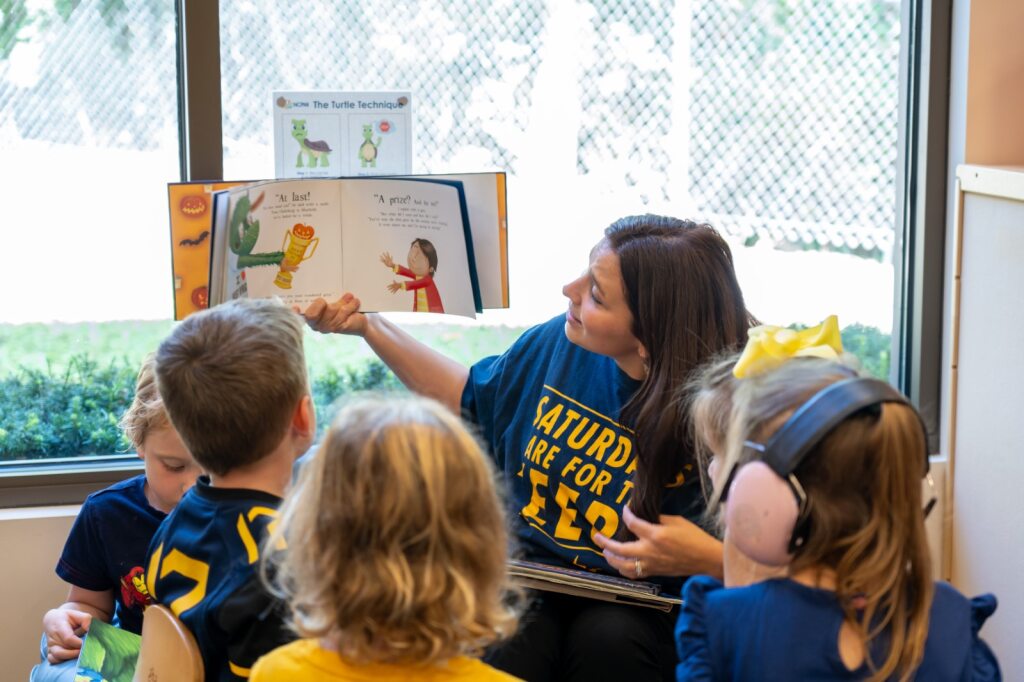
The coursework in the BS in Child Development and Family Studies program is centered on the application of academic concepts in real-world environments.
Classic Training in CDFS
Your coursework builds a solid foundation in human development from birth through early adulthood, family systems, and the theories and research that shape the field. Each course connects academic content to practical application to give you the skills and knowledge to work with children, youth and families.
Tailored For Your Career Goals
In upper-level coursework, you’ll select electives that align with your career goals and choose a minor or double major to further tailor your degree.
Families Across the Life Span
CDFS 110
Explores the physical, psychological, and cognitive developmental changes of individuals who are functioning in family systems that change across the life-span.
Stress in Families
CDFS 413
This course examines family processes, communication, and interactions between family members, including intimate partners, siblings, and parent-child relationships. We examine family and communication theories and empirical work including communication, conflict, intimacy, power, family rituals and stories, and development of family identity. We consider how gender, culture, race, ethnicity, sexual orientation and social class influence family processes and communication.
Trauma, Resiliency, and Children
CDFS 416
Overview of core issues of trauma and its impact on children and families, with an emphasis on growth, learning, and adult relationships. Students apply critical inquiry to explore the broader impact of trauma on society, including individual productivity and financial costs, and develop public awareness and learning material.
Families and Health
CDFS 417
Explores relationships between family structure, processes, and dynamics and various aspects of individual and family health behaviors, outcomes, and healthcare. Students will integrate family and health science models and theories to examine family as a health determinant. Emphasis is placed on understanding how families use strengths to promote health and well-being.
Honors
Expand your curiosity and enhance your curriculum through the WVU Honors College. Two programs are offered: Honors Foundations and Honors in Action.
The WVU Difference
What sets this program apart?
- Faculty mentorship. Work alongside faculty who are active in research and professional practice in areas such as early childhood education, family science, and child development.
- Hands-on experience. Gain direct experience with children, adolescents, and families through internships, community programs, and applied learning opportunities.
- Research and presentation opportunities. Collaborate on faculty-led projects and present your work at local, regional, or national conferences.
Learn by Doing
Get involved outside the classroom.
Hands-on Learning
- The capstone field placement gives you the opportunity to apply what you’ve learned in practical, real-world settings.
Research Opportunities
- Research experience is available by working with faculty on their projects for course credit. Recent research has focused on topics such as fatherhood, infant and child mental health, special education, and parenting.
- You may also participate in WVU’s Research Apprenticeship Program.
View all of the student organizations you can join.
- American Psychological Association – Division 7
- National Association for the Education of Young Children
- National Council on Family Relations
- Society for Research on Adolescence
- Society for Research on Child Development
- West Virginia Association for Young Children
- West Virginia Association for Family and Consumer Sciences
Recent graduates and current students have completed internships in the following settings:
• Early Head Start and Head Start Classrooms
• Early Learning Centers
• Youth Programs
• Child Advocacy Centers
• Legal Settings as Court-Appointed Advocates
• Hospital Settings in Child Life or Family Resource Settings
• Early Intervention Services
- Knowledge of typical child and adolescent development and family functioning
- Ability to apply research and theory to practical, real-world settings
- Experience designing programs that support children, youth, and families
- Skills to identify and use approaches that reflect current best practices in the field
- An understanding of how social, cultural, and environmental factors influence families and the people within them
Careers and Outcomes
How does this degree prepare students for a career?
Career Paths
• Early Head Start and Head Start
• West Virginia Birth to Three
• Extension service
• Child and Family Court Advocates
• Nonprofit Social Service Organizations
• Curriculum Coordinators in Early Childhood Education Settings
• Youth Support Specialists
Further your education
Graduate programs to consider:
• Counseling
• Social Work
• Law
• Child Life
• Human Development/Developmental Psychology
After completing the CDFS Program, our recent graduates have pursued graduate studies in management at UC Davis, child life at the University of Georgia, counseling at West Virginia University, and social work at the University of North Carolina.
Meet Your Community
The Child Development and Family Studies family will inspire you.
Amy Kennedy

Professional Highlights
- WVU Office of the Provost Most Valuable Player Award for Campus Health and Safety, 2020
- Research interests: determinants of parenting, emotion socialization, impact of home visitation programs, children’s emotional development
Kimberly Floyd
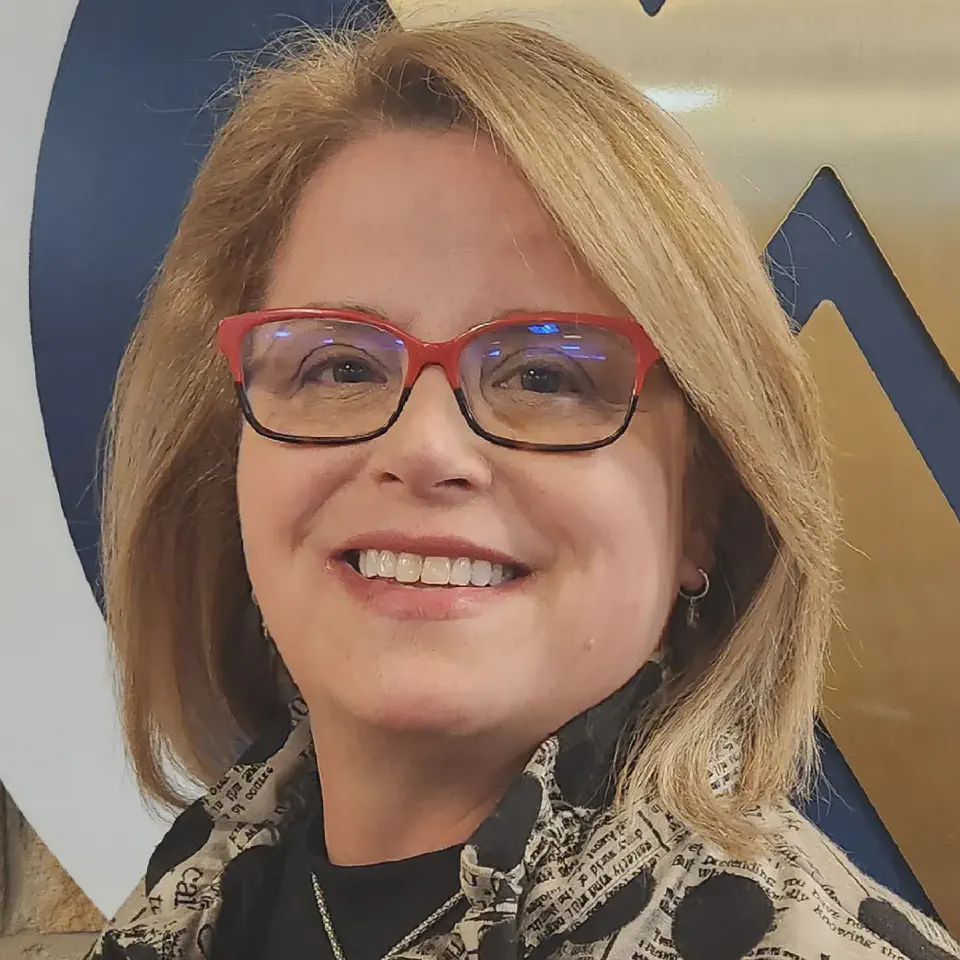
Professional Highlights
- Kim and Kasey Floyd Social Justice Award, 2023
- WVU Faculty Digital Learning Award, 2021
- American Council on Rural Special Education Eagle Award, 2020
- Outstanding Teacher Award, College of Applied Human Sciences, 2010 and 2013
Jessica Troilo
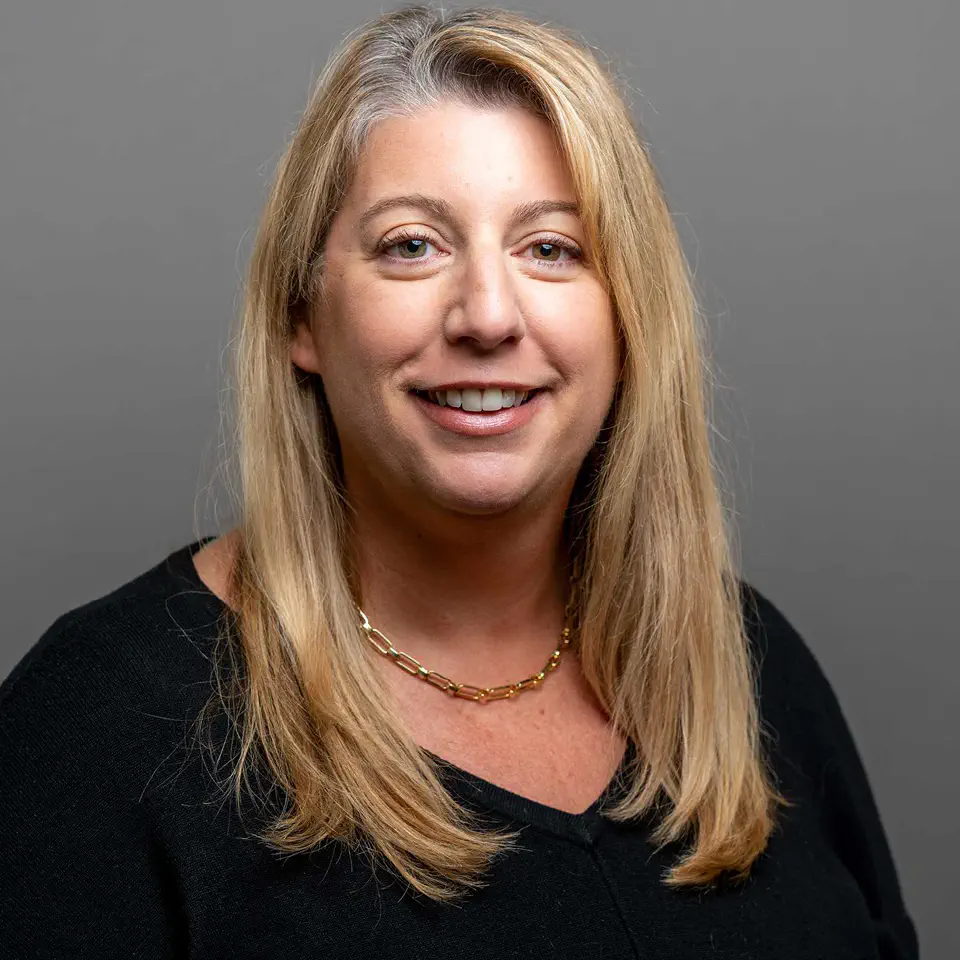
Professional Highlights
- Co-authored over 30 book chapters and journal articles and delivered over 60 presentations on family processes
- Co-creator and trainer of a professional development program offered across West Virginia to support professionals impacted by addiction
- Expert blogger, Psychology Today since 2017
Evy Wright
Professional Highlights
- Graduate research emphasis on the psychosocial benefits of arts in medicine
- Presenter, Family Reading Program, Imagining America National Conference
- Georgia Court Appointed Special Advocate (CASA)

"My program and professors have been pivotal in preparing me for my next chapter. The education, support, and opportunities I received at WVU prepared me for graduate level work."
Paige Grove
"What drew me to the program was the faculty and professors, their collective research and experience aligned with my interests in adolescent development. Now, as a Youth Services Program Manager for a substance use prevention and mental health promotion agency, I still draw on the critical thinking and writing skills the program pushed me to develop."
Miles Payne
FAQs
Common questions and answers about Child Development and Family Studies.
Places and Spaces
See where you’ll study, research, and create.
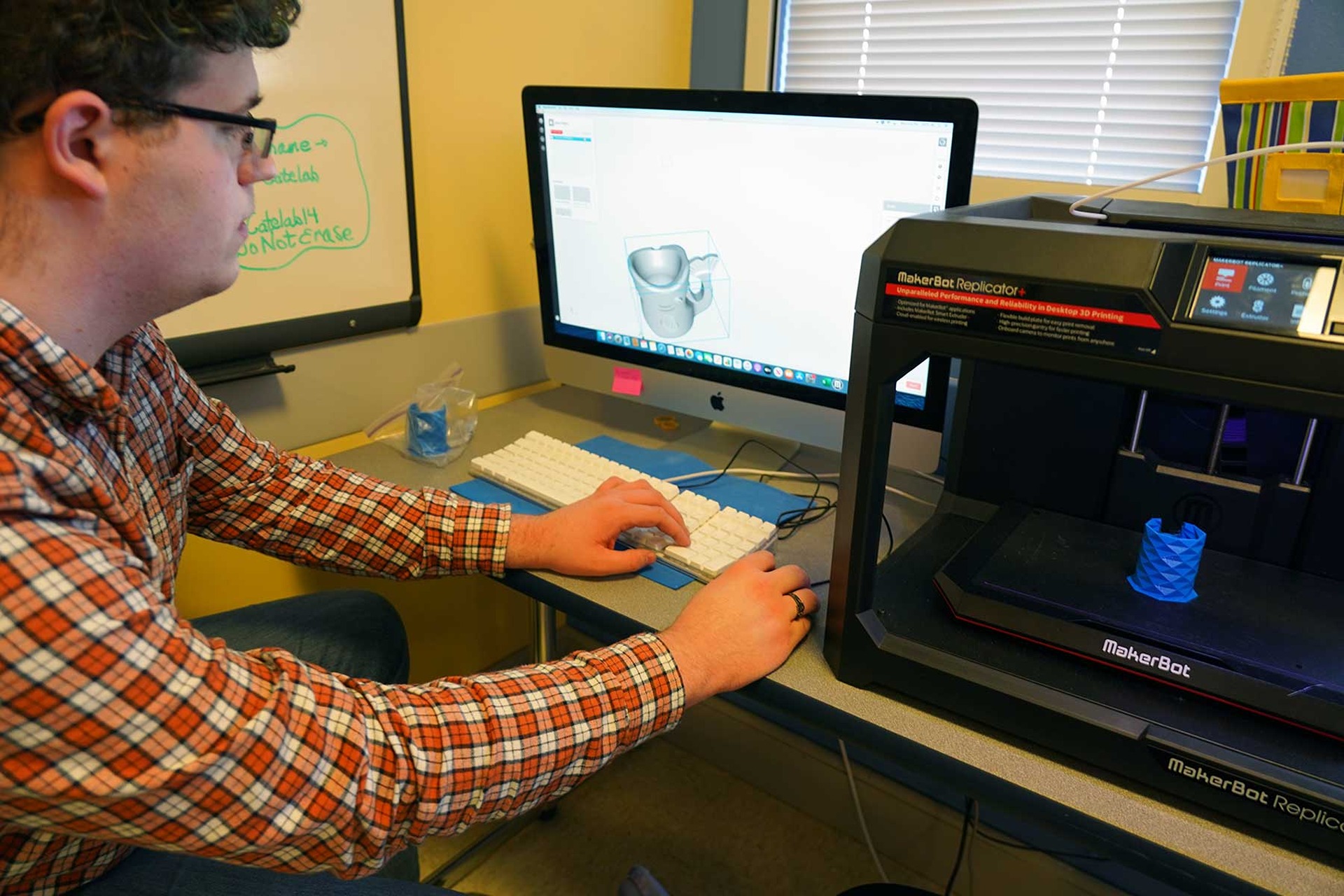
CATE Lab
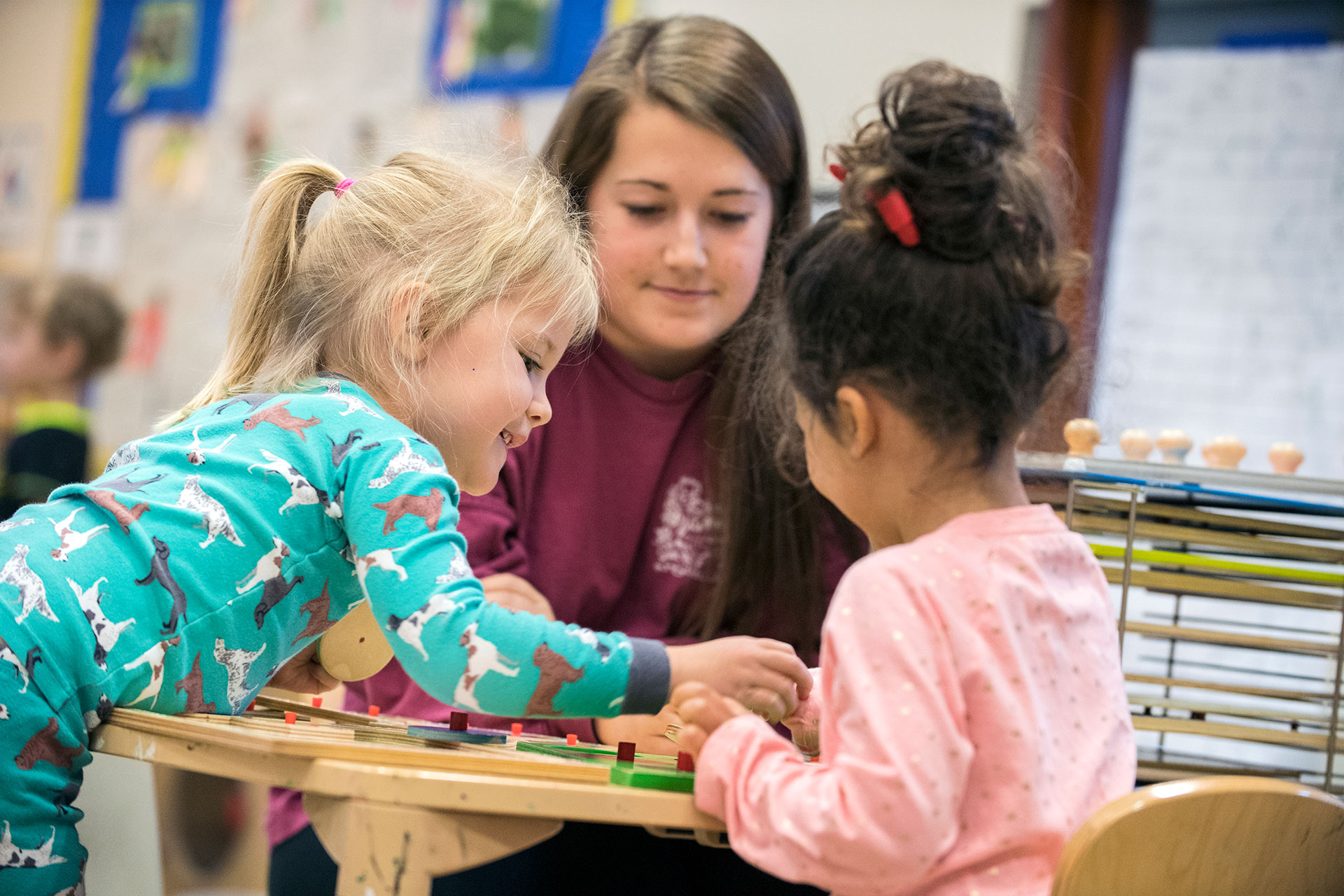
WVU Early Learning Institute
Virtual Tour
It’s the next best thing to being here. Virtually tour our campus and residence halls.
Student Life
You'll experience epic traditions, quality academics, and a supportive community that feels like home.
Visit
See WVU in person and start imagining life as a Mountaineer.
Admission Requirements
To be admitted to the Child Development and Family Studies major, first-time freshmen must meet WVU's first-time freshman admission requirements. Interested in transferring? Review the transfer admission requirements.
Tuition and Aid
How much does Child Development and Family Studies at WVU cost? And how can you save?
Tuition and Fees
Estimated rates are available on our tuition website. Anyone who is not a current West Virginia resident, including international students, will be charged non-resident rates.
Ways to Save
Beyond scholarships, here are other ways to reduce your cost of attending WVU.
Financial Aid
The most important step toward funding your future with financial aid for the Child Development and Family Studies, BS is submitting the Free Application for Federal Student Aid, or FAFSA.
Ohio Tuition Reciprocity
As the result of a special agreement, students from Ohio who are fully admitted to Child Development and Family Studies can enroll at WVU and pay in-state tuition rates. Students must be admitted to both the University and this major.
Start at Another WVU Campus
You can start your career with WVU at another campus and transfer to WVU Morgantown.
Transfer Articulation Agreements
To simplify the transfer process, we have formal agreements with certain institutions. These agreements outline the courses you should take to prepare for transferring to WVU.
Review the full list of transfer articulation agreements to see if your institution is listed.
Request Info
Want to know more about Child Development and Family Studies at WVU? Fill out our request form to receive more information.
Visit
Experiencing campus is the best way to see if WVU is the right fit. Choose from in-person and virtual options.